
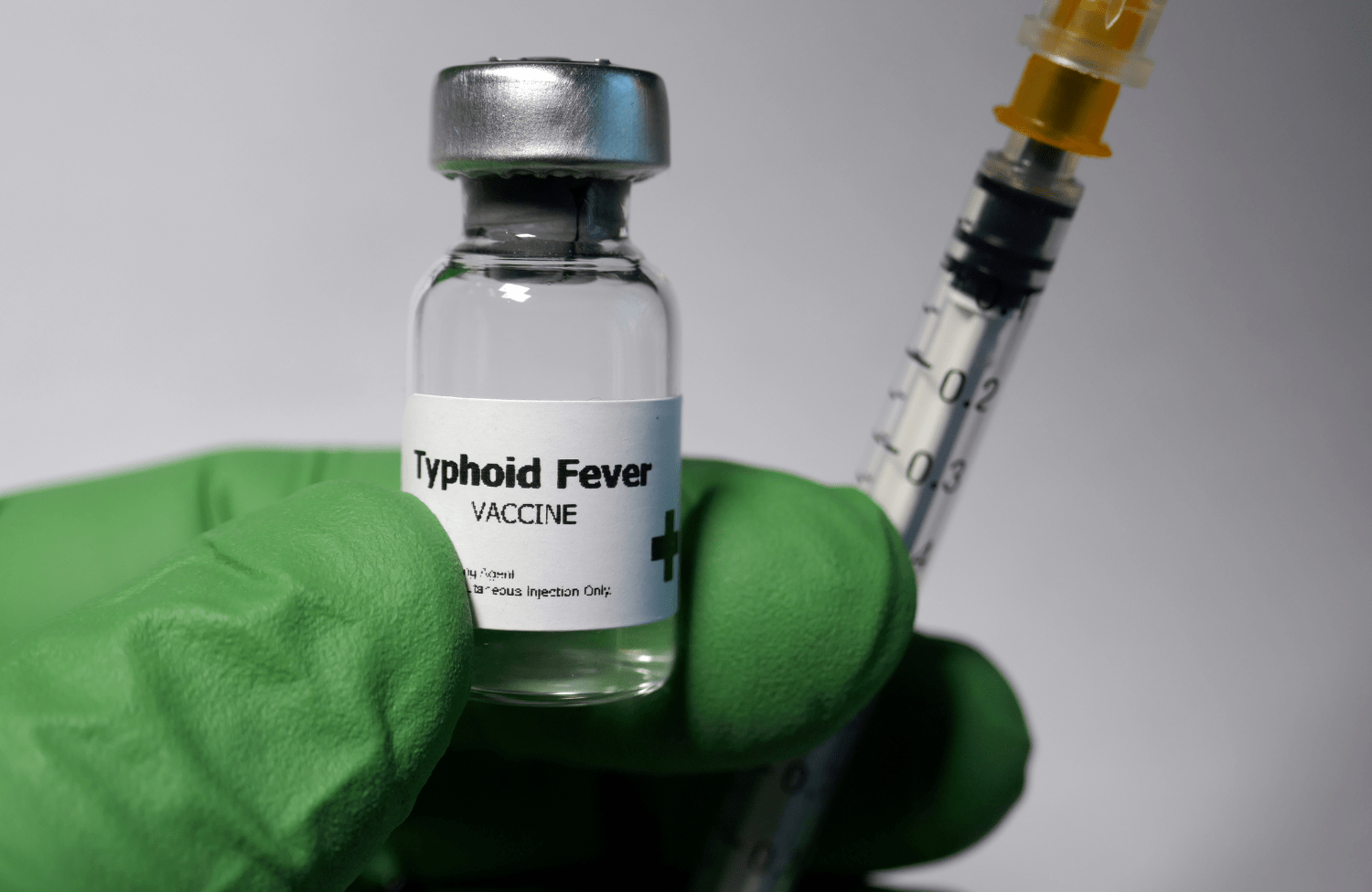
Typhoid Vaccine
Typhoid
Typhoid is a bacterial infection that spreads through contaminated food or water. A related illness, paratyphoid fever, comes from Salmonella Paratyphi, and together they are called enteric fever.
People most often contract these infections in regions with poor sanitation and limited access to clean water, particularly in parts of Asia, Africa, and Central and South America. In the UK, most travel-related cases involve individuals visiting friends and relatives in the Indian subcontinent, especially India, Pakistan, and Bangladesh. Travellers should prioritise vaccination and follow strict food and water safety precautions to reduce their risk.

Symptoms
The symptoms of typhoid and paratyphoid often resemble one another and can range from mild to severe. Common signs include prolonged fever, headache, muscle and joint pain, fatigue, abdominal discomfort, and either constipation or diarrhoea. Some people may also develop a faint rash on the abdomen or chest.
Severe cases can lead to dangerous complications such as intestinal bleeding or perforation, which can be life-threatening without urgent care. With prompt antibiotic treatment, most people recover fully, but untreated typhoid carries a significantly higher risk of fatal outcomes, highlighting the need for early diagnosis and medical attention.

Vaccination
Vaccination is a key way to prevent typhoid, especially for travellers visiting areas with poor sanitation and food hygiene. Two types of vaccines are available: an injectable vaccine and an oral vaccine, taken as a series of capsules. These vaccines protect against typhoid but do not cover paratyphoid infections.
Public Health England recommends vaccination for higher-risk individuals, including travellers to the Indian subcontinent or rural regions with limited sanitation. Children aged 12 months to two years should be vaccinated if risk is high, but the vaccine is not advised for infants under one year.
The typhoid vaccine typically provides protection for three years. Travellers with ongoing exposure risk should receive a booster dose. In addition, practising strict hygiene, such as avoiding untreated water and eating thoroughly cooked food, helps reduce the chance of infection.
Book Your Typhoid Vaccine
Protect yourself before travelling with a safe and effective typhoid vaccination at North Manchester Travel Clinic. Our healthcare team will guide you through the vaccination process, give personalised advice on staying healthy abroad, and show you how to use practical hygiene measures to avoid infection.
We also recommend checking which vaccines your destination requires before you travel.
Book your appointment today to get your typhoid vaccine and other essential travel vaccinations, and travel with confidence knowing you can avoid typhoid and other food-and-water-borne illnesses.