
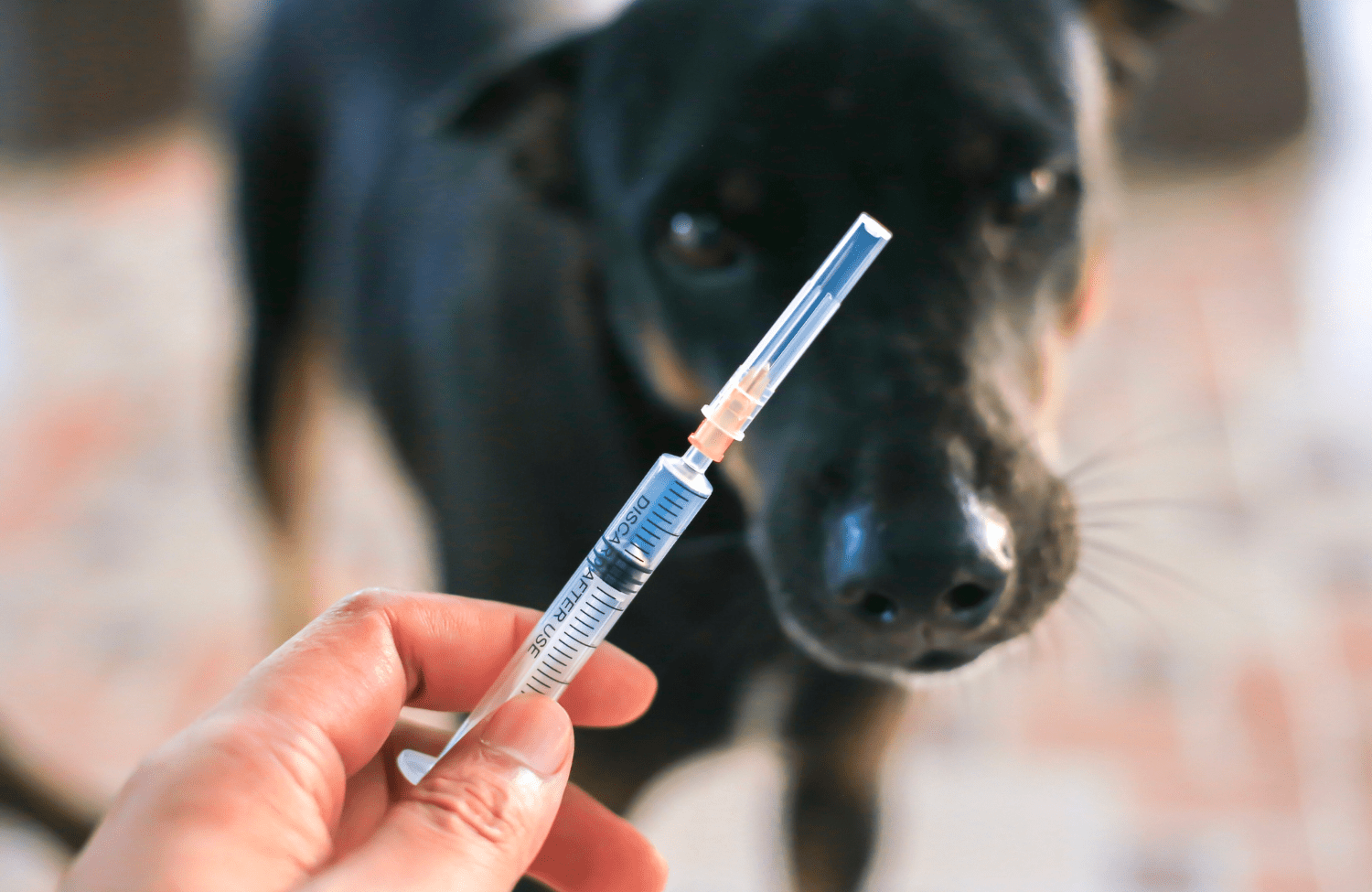
Rabies Vaccine
Rabies
Rabies is a deadly viral disease that infected animals, usually dogs, transmit to humans through bites or scratches. The virus attacks the central nervous system, causing irreversible damage to the brain and spinal cord. Without prompt treatment, rabies almost always leads to death once symptoms appear.
Although rare in the UK, rabies remains a serious concern in parts of Asia, Africa, and Central and South America. Globally, it kills around 59,000 people every year, mostly in regions with limited access to vaccines and post-exposure care. UK travellers face a low risk, but it increases significantly in endemic areas with poor healthcare infrastructure.

Symptoms
Rabies progresses through distinct stages. It usually starts with non-specific signs such as fever, fatigue, headache, and muscle weakness. As the virus reaches the brain, it triggers more severe symptoms, including confusion, agitation, hydrophobia (fear of water), and excessive salivation. Paralysis and coma often follow, causing death if a person does not receive treatment before symptoms appear.
Prompt post-exposure prophylaxis (PEP) can completely prevent rabies. This involves thoroughly cleaning wounds and receiving a series of rabies vaccine doses. Recognising potential exposure early and seeking immediate medical care stops the disease before symptoms begin.
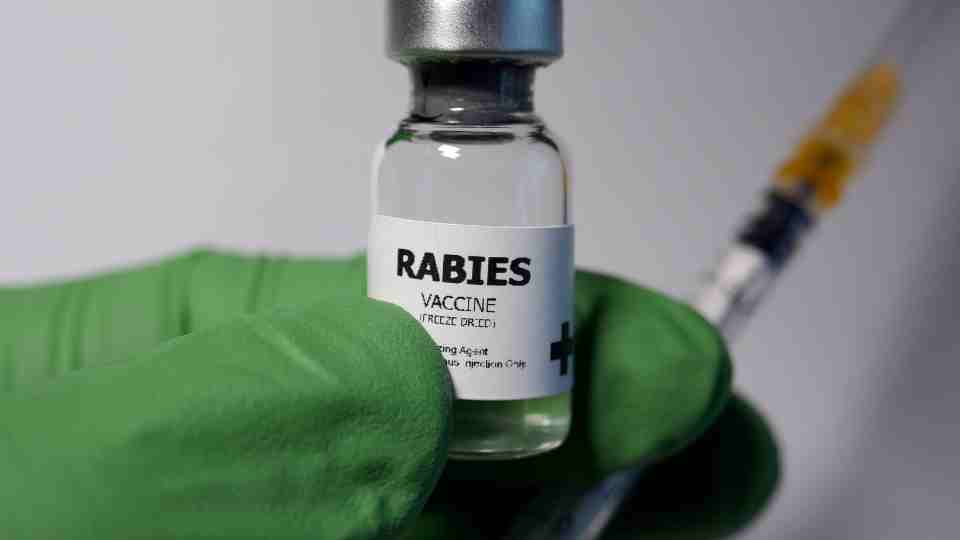
Vaccination
The rabies vaccine plays an essential role in preventing this deadly disease, especially for travellers visiting high-risk regions.
Pre-exposure vaccination includes three doses over 21–28 days. The initial series offers long-term protection for most travellers, while people with ongoing exposure may need booster doses every one to two years. The vaccine reduces the chance of developing rabies and gives travellers more time to seek post-exposure treatment if an animal bites or scratches them.
Travellers planning higher-risk activities, such as hiking, cycling, or working with animals, should get vaccinated. Healthcare professionals also advise vaccination for those visiting remote areas with limited access to medical care or PEP. Even with vaccination, anyone exposed to a potential rabies source must clean the wound immediately and seek medical attention for further post-exposure care.
Book Your Rabies Vaccine
Protect yourself before travelling with a safe and effective rabies vaccination at North Manchester Travel Clinic. Our healthcare team will guide you through the vaccination process and provide personalised advice on staying healthy abroad. We’ll also explain how to combine the vaccine with practical precautions to reduce exposure to animals.
We also recommend checking which vaccines your destination requires before you travel.
Book your appointment today to receive your rabies vaccine and other essential travel vaccinations. Travel with confidence knowing you’re protected against this potentially fatal disease.