
Altitude Sickness
Altitude Sickness
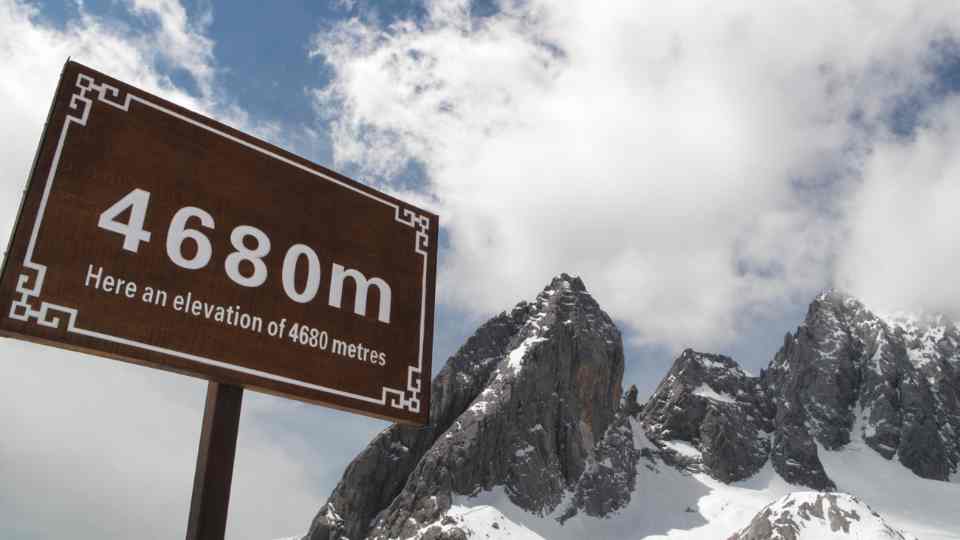
Travelling to high-altitude destinations can be an incredible experience, but it also presents unique challenges. Altitude sickness, also known as acute mountain sickness (AMS), happens when your body struggles to adapt to lower oxygen levels at higher elevations. Common above 2,500 metres, such as in the mountains of South America, Nepal, or the Alps, symptoms range from mild headaches and fatigue to more severe conditions like shortness of breath and nausea. Taking the right altitude sickness medication helps you prevent or manage symptoms, making your trip safer and more enjoyable.
At North Manchester Travel Clinic, we provide tailored advice and easy access to altitude sickness prevention and treatment options. You don’t need a GP visit; simply book an appointment with our clinic team to discuss your travel plans. Whether you’re trekking to Everest Base Camp or skiing in the Andes, we provide the most effective medication and guidance to prepare you for your journey.
Your safety is our priority
During your appointment, our healthcare team reviews your medical history and travel itinerary to design the best prevention strategy, including medications like acetazolamide (commonly known as Diamox®). Our expert team equips you with the knowledge and tools you need to prevent or manage altitude sickness effectively.
How Does Altitude Sickness Medication Work?
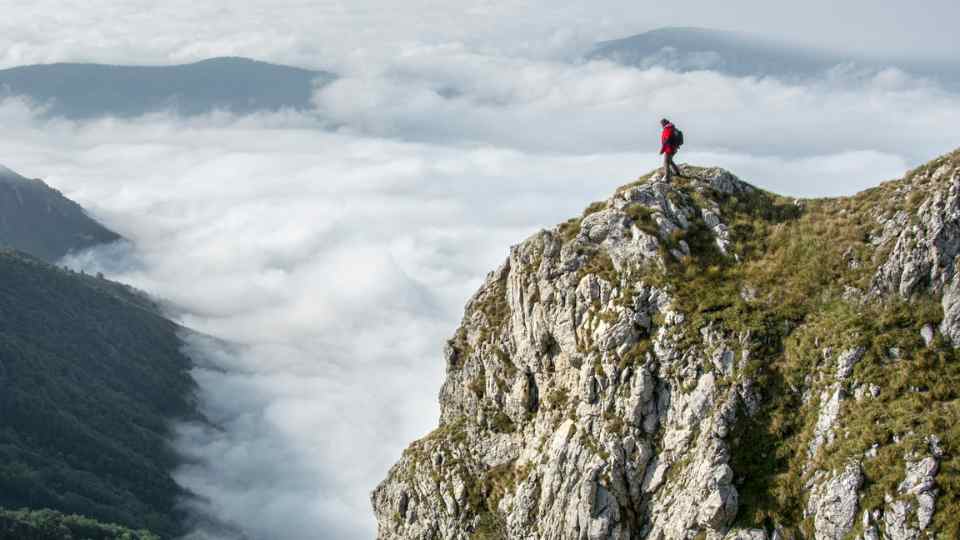
The most commonly prescribed altitude sickness medication is acetazolamide, which helps your body acclimatise more quickly by balancing oxygen and carbon dioxide levels in the blood.
How acetazolamide works:
By increasing the acidity of your blood, the medication stimulates your breathing rate, improving oxygen intake at high altitudes.
Acetazolamide is typically taken one to two days before ascending and continued for 48 hours after reaching your highest point. It is not a cure for altitude sickness but can significantly reduce symptoms, allowing your body to adjust more comfortably. Our healthcare professionals will guide you on the correct dosage and usage based on your travel plans.
FAQs About Altitude Sickness
Who is at risk of altitude sickness?
Anyone travelling to altitudes above 2,500 metres can develop altitude sickness, though the risk is higher for those who ascend rapidly without allowing time for acclimatisation.
How do I know if I have altitude sickness?
Symptoms include headaches, nausea, dizziness, shortness of breath, and fatigue. Severe cases may involve confusion, chest tightness, or difficulty walking, which require immediate medical attention.
Can altitude sickness be prevented?
Yes, gradual ascent is the best prevention, along with adequate hydration, avoiding alcohol, and taking altitude sickness medication like acetazolamide if advised by a healthcare professional.
Are there side effects of altitude sickness medication?
Side effects of acetazolamide may include tingling in the fingers and toes, frequent urination, or a mild taste disturbance. Our team will discuss potential side effects and ensure the medication is suitable for you.
Do I still need altitude sickness medication if I’m physically fit?
Physical fitness does not prevent altitude sickness, as it depends on how your body adapts to reduced oxygen levels. Medication may still be recommended based on your itinerary.
Book Now
At North Manchester Travel Clinic, we make accessing altitude sickness medication simple and hassle-free. Book an appointment online to discuss your travel plans with our expert team, who will provide personalised advice and prescribe the right prevention or treatment for your needs.
We also offer a wide range of travel health services, including vaccinations and tailored advice for adventurous trips, so you’re fully prepared for your journey.